Licht Kunst Licht AG
Hospitality

The Florentin

Frankfurt am Main, Germany
Architects
GHP Architekten, Germany / CM Design, Germany
Interior Designers
Unscripted, Singapore / Atelier Zürich AG, Zurich
Operator
Althoff Beratungs- und Betreuungsgesellschaft mbH
Electrical Engineering
Delta-Tech Ingenieurgesellschaft GmbH & Co. KG, Germany
Hospitality Consultancy
Feuring Hotel Development Europa GmbH, Germany
Completion
2025
Photos
Daniel Schäfer

An Urban Retreat with History: The Florentin Hotel in Frankfurt am Main

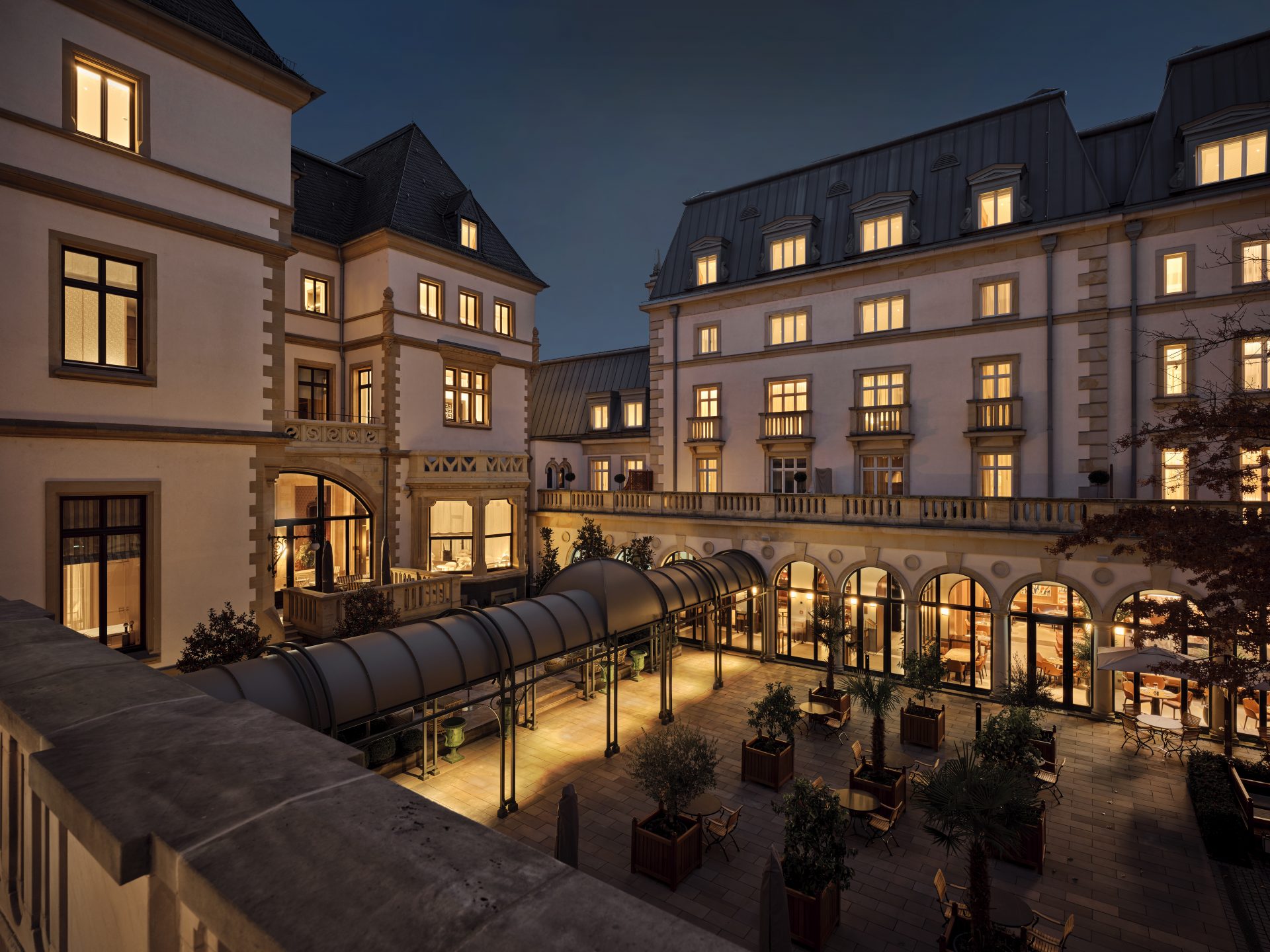
The Florentin by Althoff Collection, set within the historic Villa Speyer (1901) and complemented by later extensions, opens as a new luxury five-star hotel and urban retreat in Frankfurt following an extensive transformation. A member of The Leading Hotels of the World, the project unites heritage architecture and contemporary layers into a carefully balanced ensemble shaped by contrasting interior design approaches. The lighting design supports this dialogue, translating architectural intent and materiality into a cohesive atmospheric language of light.

The Florentin comprises 147 rooms and suites, including nine Signature Suites located within the historic villa, as well as restaurants, bars, meeting spaces and a spa spanning four levels. The interior design follows two distinct approaches. While main public spaces, guestrooms and spa areas by Unscripted Design are guided by a minimalist aesthetic defined by clear lines, natural materials and colors, and sensorial textures, the historic villa interiors, as well as the restaurant The Dune and the Cigar Lounge by Atelier Zürich adopt a more expressive, character-driven language rooted in the building’s heritage. The lighting design follows this duality by maintaining a consistent technical approach throughout the hotel. Warm color temperatures form the basis of the concept, with soft, diffuse ambient light realized through illuminated surfaces, indirect coves, backlit elements and integrated linear lighting, combined with precise accents for orientation, task lighting and accentuation. Furniture-integrated lighting and vertical illumination enhance spatial depth and visual comfort, while custom luminaires and illuminated objects provide localized emphasis without competing with the architecture. Selected existing luminaires from the building were retained and upgraded to LED technology, integrating elements of the site’s history into the new lighting concept.
In areas with varying daylight availability and changing use patterns, tunable white lighting allows transitions from warmer daytime settings down to amber tones, particularly in public and wellness areas, resulting in a calm, controlled and coherent lighting environment.

Licht Kunst Licht AG

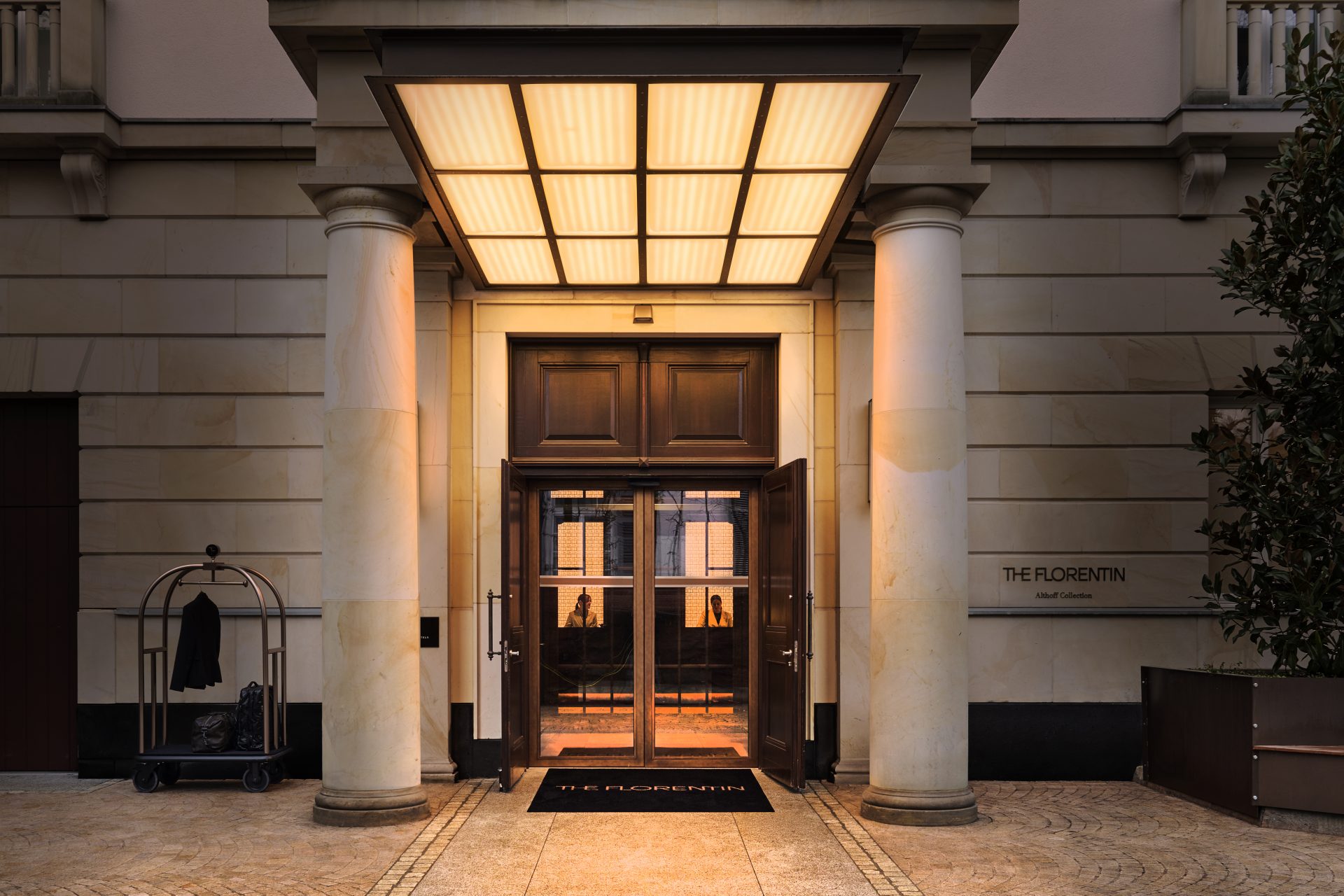
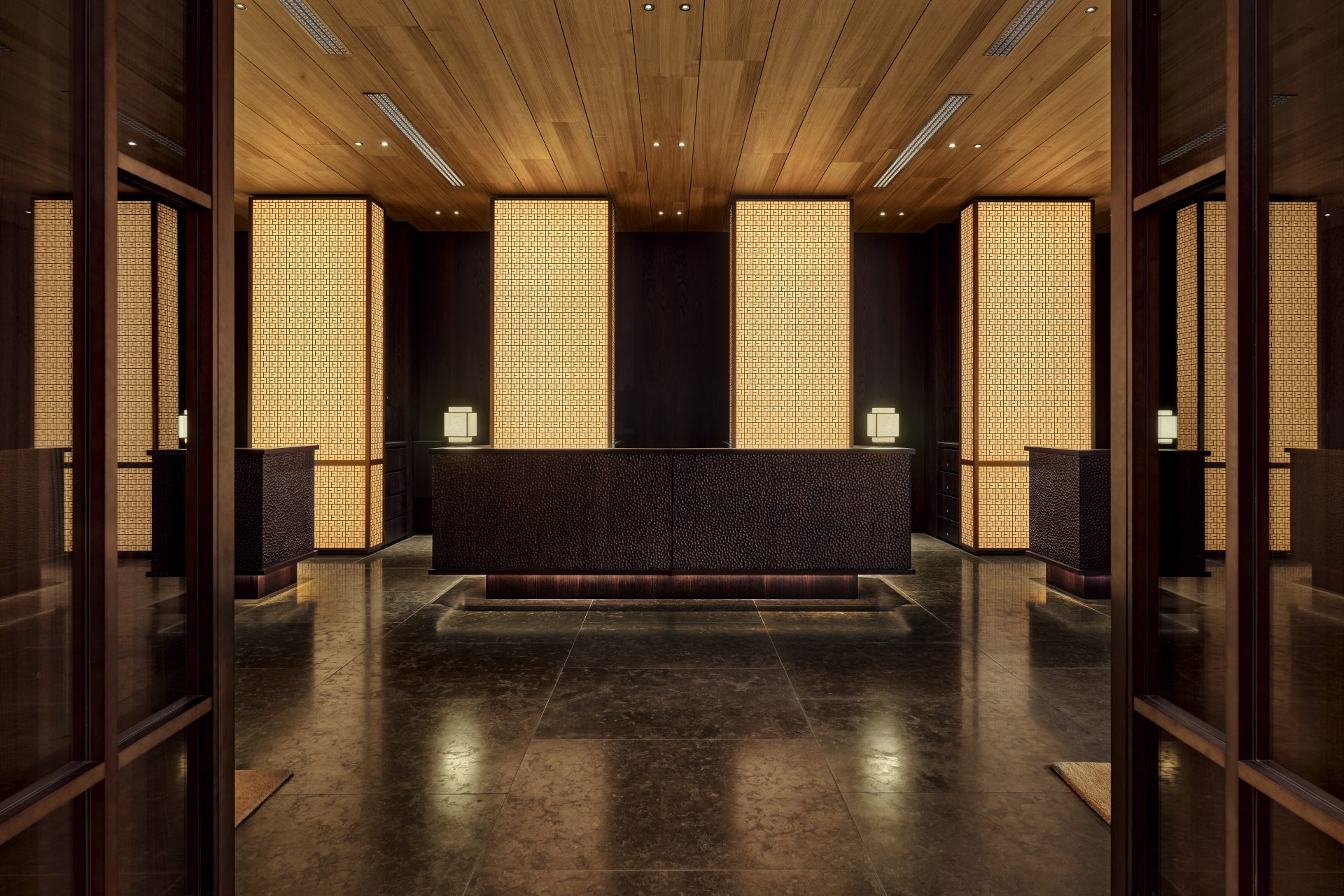
The reception area forms the primary point of arrival and orientation within the hotel. Here, the lighting concept is defined by a sequence of vertical light boxes that flank the entrance and form the luminous backdrop to the counters. Their warm color temperature shifts towards amber tones in the evening hours, reinforcing the transition from the urban exterior to the interior atmosphere of the hotel. Above the counters, custom-designed luminaires with reduced geometries provide a localized glow, while discreet downlights and integrated task lighting ensure sufficient functional illumination for staff without compromising the overall calm appearance.

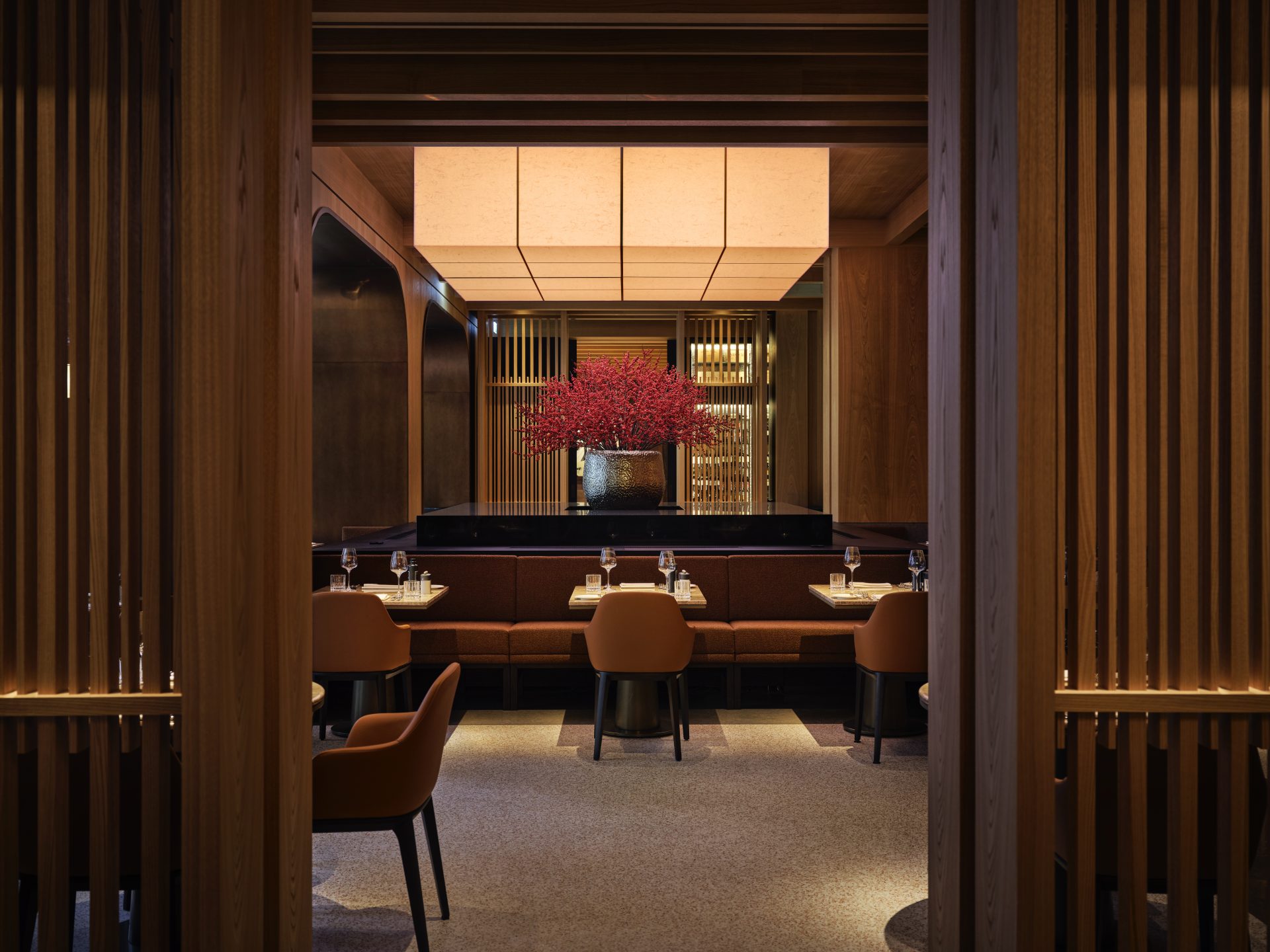
The Garden, conceived as an all-day dining space, is characterized by a lighting concept that adapts to changing daylight conditions and usage throughout the day. A ceiling-mounted tunable white light box forms the central ambient feature and remains comparatively fresh during daytime hours at 2,700 K, before transitioning to significantly warmer tones down to 1,800 K in the evening. Linear lighting integrated into shelving introduces vertical illumination and depth, while artworks and tables are accentuated by dedicated spotlights to create contrast and spatial hierarchy. Battery-operated table luminaires add localized pools of light that contribute to an intimate atmosphere within the larger space.

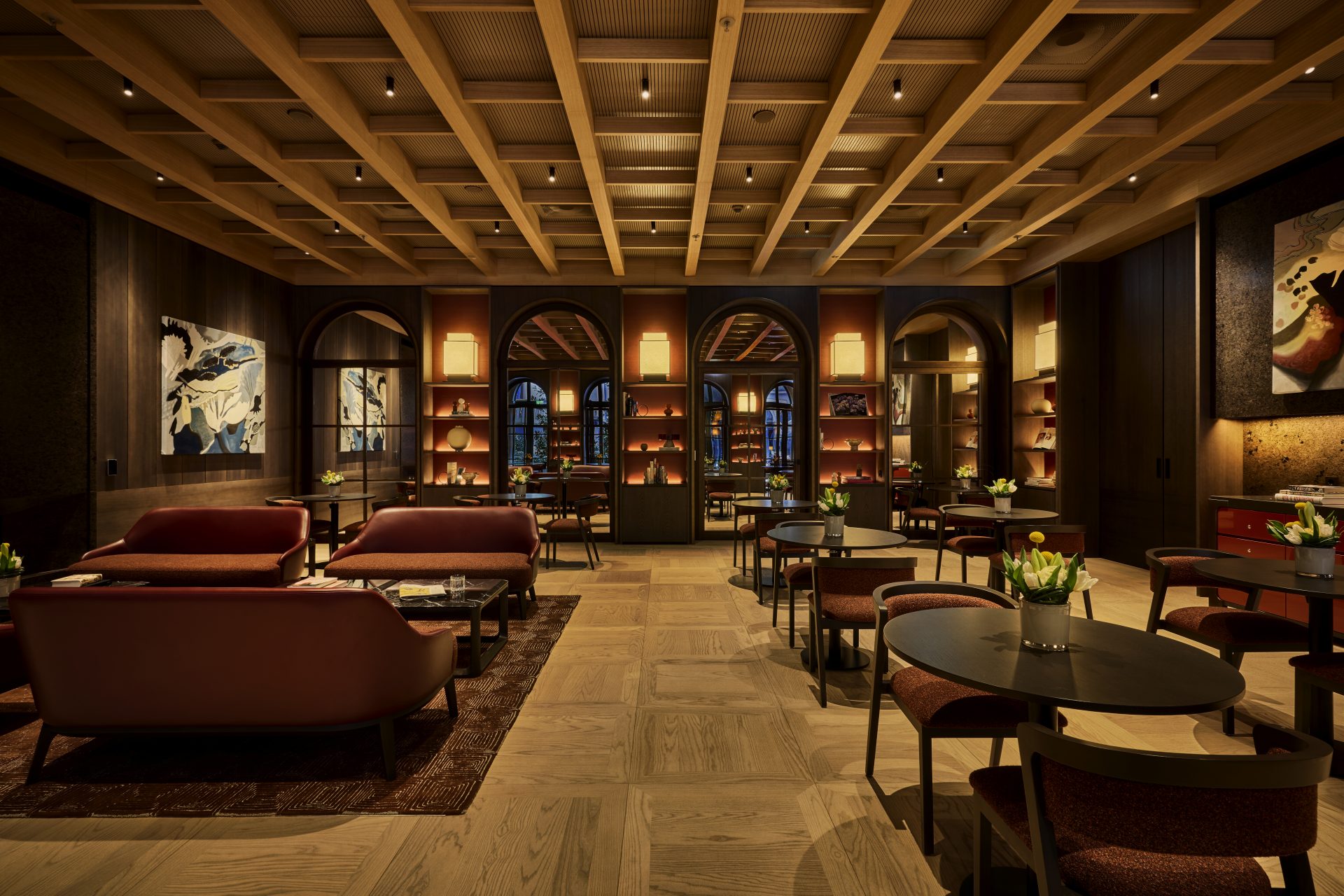
The Library presents a flexible layout for different purposes like an event space, lounge and extended dining area, which demands a versatile lighting solution. A regular arrangement of spotlights provides a reliable ambience layer, while integrated shelf lighting highlights books and objects. Custom lanterns provide an additional lighting layer, emitting a soft, diffuse vertical glow that reinforces the intended atmosphere of calm and coziness.

The Florentin Bar is defined by its vaulted ceiling, which forms the dominant architectural element of the space. Each vault is accentuated by a linear tensioned luminaire that follows the geometry of the ceiling and highlights its structure through continuous indirect light.
Functional direct lighting for the bar counter is provided by integrated downlights, ensuring appropriate illumination for service and preparation areas. The curated selection of spirits is presented on a tiered, backlit display that establishes a visual focus behind the bar. Additional lighting layers include picture light accentuating artworks, custom diffuse wall luminaires providing vertical illumination, and grazing light along the back wall, highlighting the warm-toned lamellas flanking the bar. Battery-operated table luminaires add a flexible, localized lighting layer that contributes to a relaxed atmosphere for the guests.

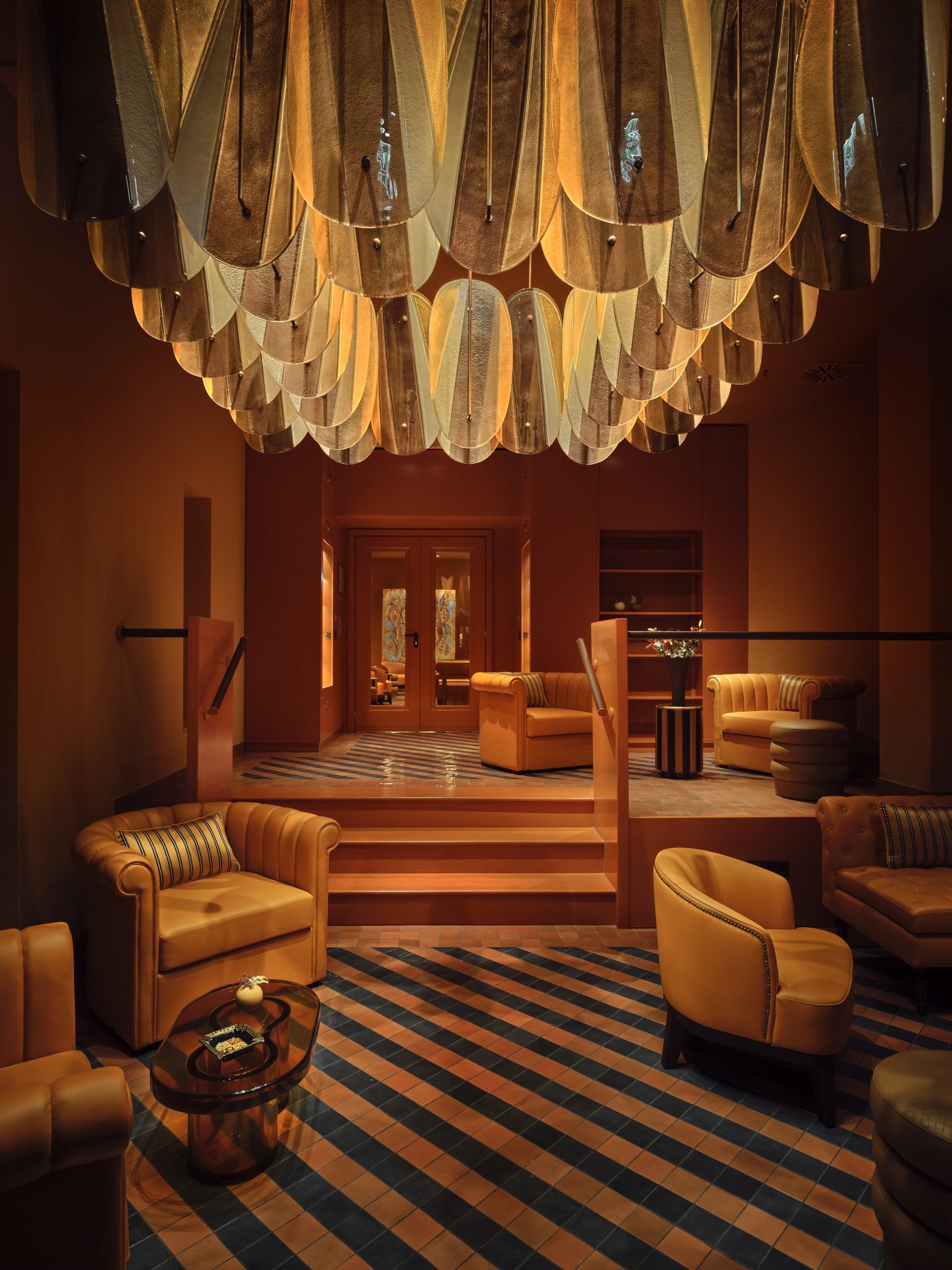
In the Cigar Lounge, the lighting is conceived with deliberately dramatic emphasis. Diffuse ambient illumination is largely avoided in favor of directional lighting, provided by integrated downlights with controlled light distribution and glare control, creating pronounced contrasts that respond to the expressive interior character. An illuminated installation composed of glass elements salvaged from former wall sconces of the villa’s historic staircase is reinterpreted as a pendant luminaire, referencing the building’s history and integrating fragments of its past into its contemporary use.

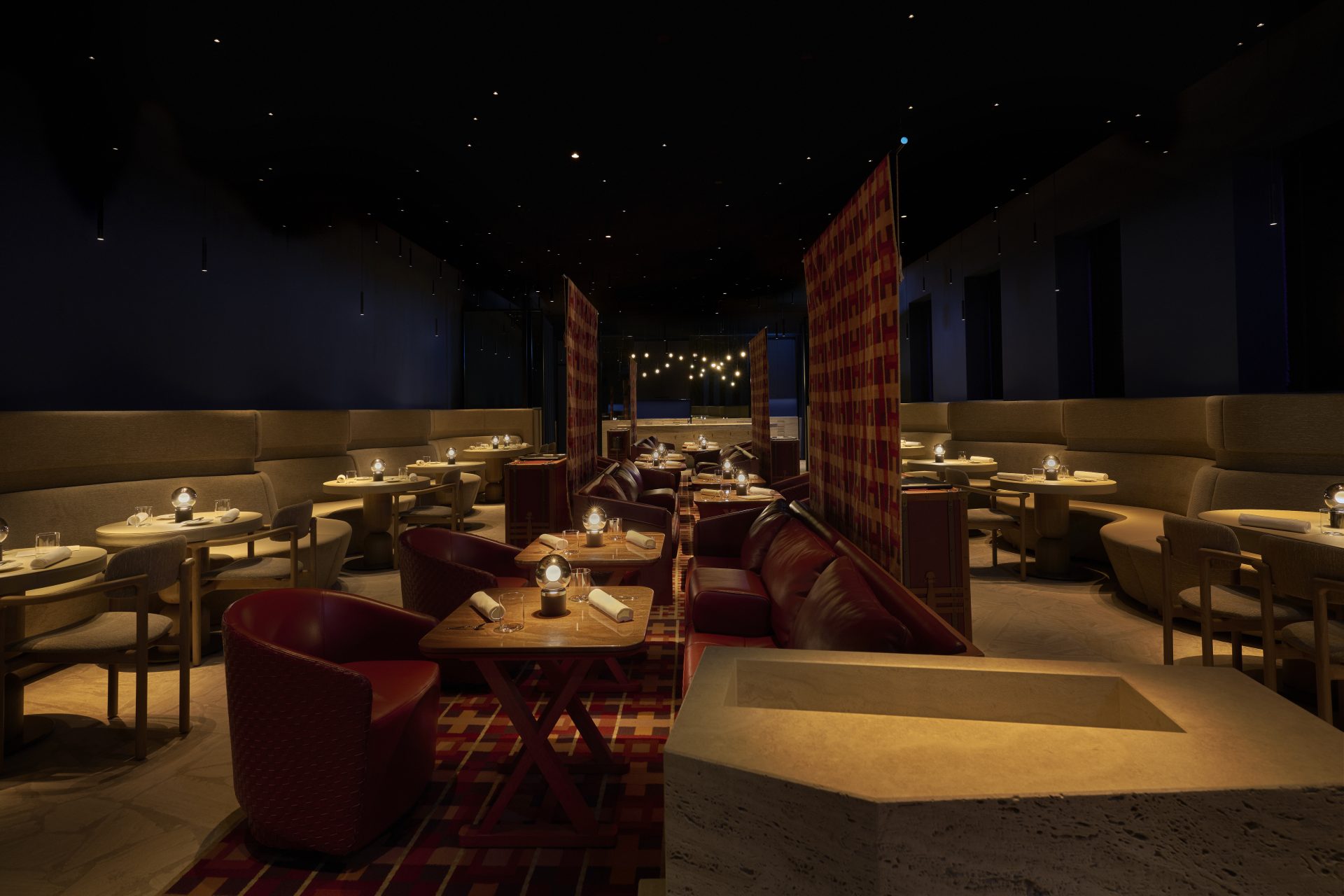
The restaurant The Dune is conceived as an immersive dining environment inspired by the idea of dining outside under the stars, set within a landscape of dunes. This concept is translated into the lighting design through a carefully planned composition. A field of pendant luminaires with varying pendant heights reinterprets a starry sky and forms the primary lighting layer. These luminaires are equipped with tunable white light sources, allowing the atmosphere to shift from a fresher appearance during daytime and early evening hours to a warmer, amber-toned, candlelight-like ambience later in the evening. This effect is complemented by battery-operated table luminaires, which add a secondary, localized lighting layer. These luminaires are synchronized with the overall lighting scenes in both dimming level and color temperature, ensuring a consistent and coherent lighting atmosphere throughout the space.

Licht Kunst Licht AG

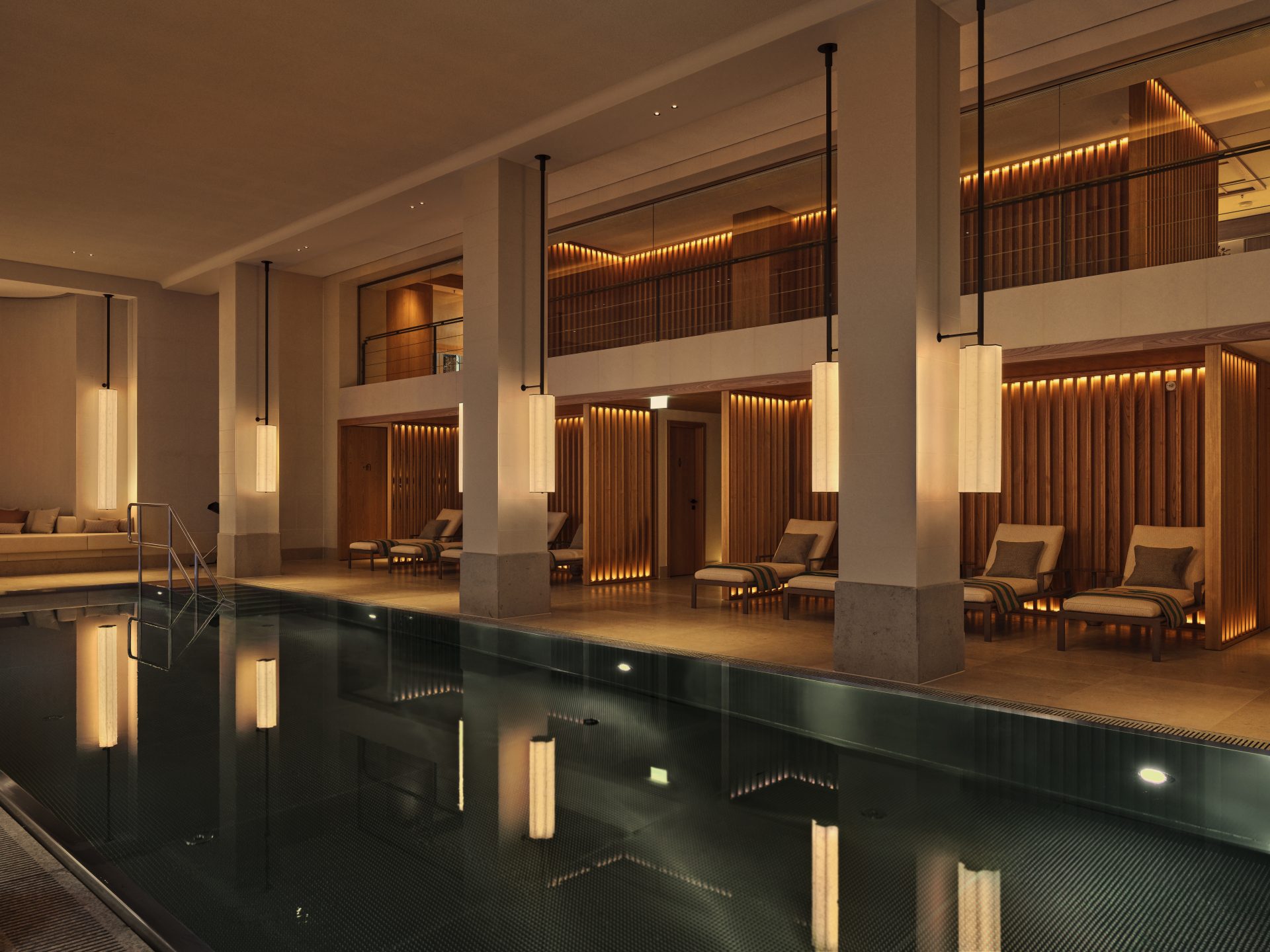
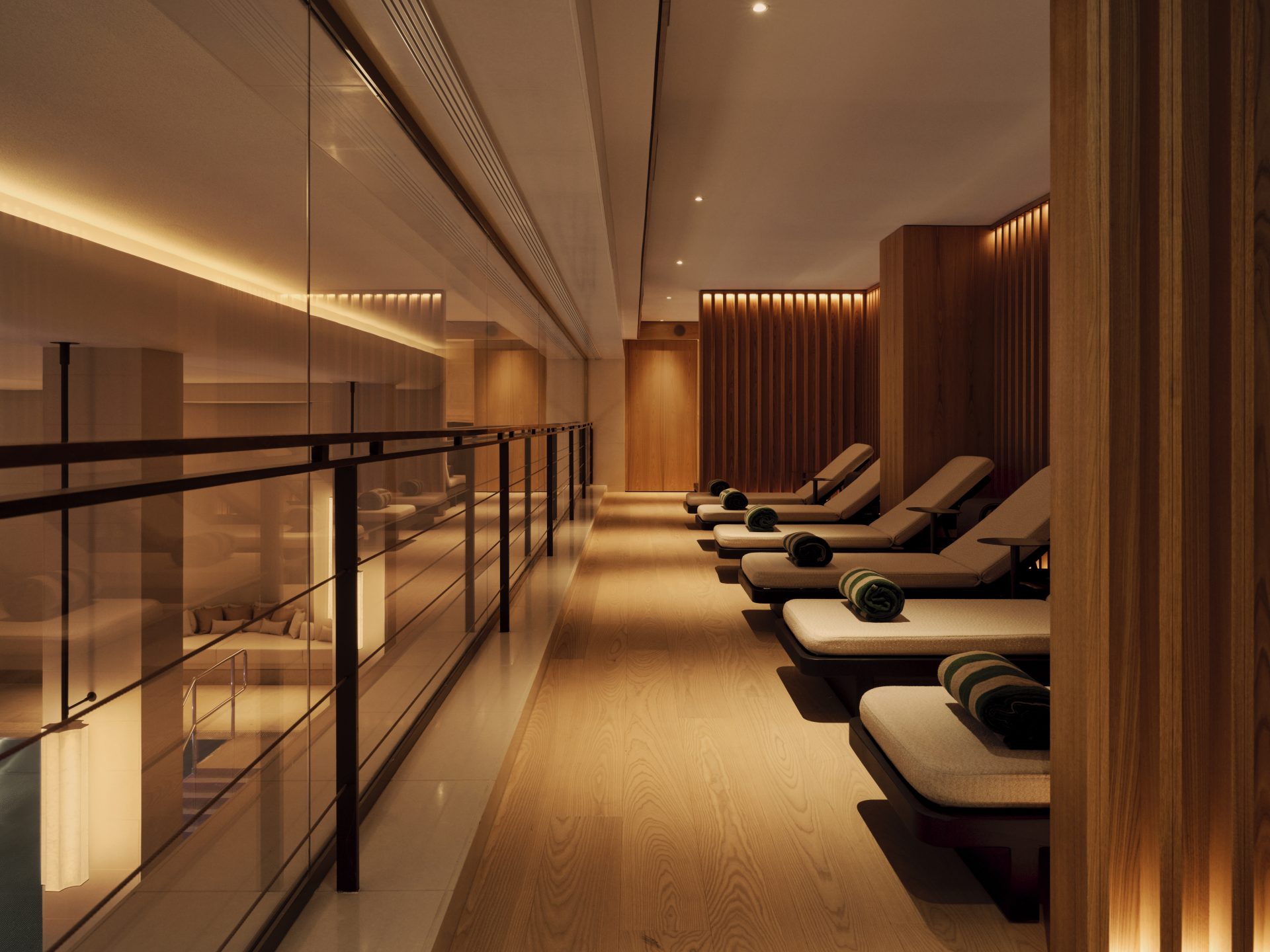
Spanning four levels, the spa is conceived as a gradual transition from openness to intimacy. On the upper floors, where daylight penetration remains significant, artificial lighting stays comparatively fresh while still warm, at 2,700 K. As guests move downwards through the spa, color temperatures gradually become warmer and light levels softer, culminating in a more intimate mood in the treatment areas. A recurring theme of illuminated surfaces appears throughout the spa. The pool area, forming the heart of the spa, is characterized by a warm and diffuse lighting atmosphere. Custom IP rated pendant luminaires arranged around the pool provide soft ambient illumination, complemented by the gentle lighting of wooden lamellas, which reappear here as a unifying design and lighting element.

The Studios, conceived as boardrooms and multifunction spaces, balance flexibility and atmosphere through a combination of small spotlights and diffuse globe luminaires on a suspended rail. This approach allows precise, functional lighting where required, while the diffuse elements provide soft illumination, face recognition and a decorative layer consistent with the design intent.

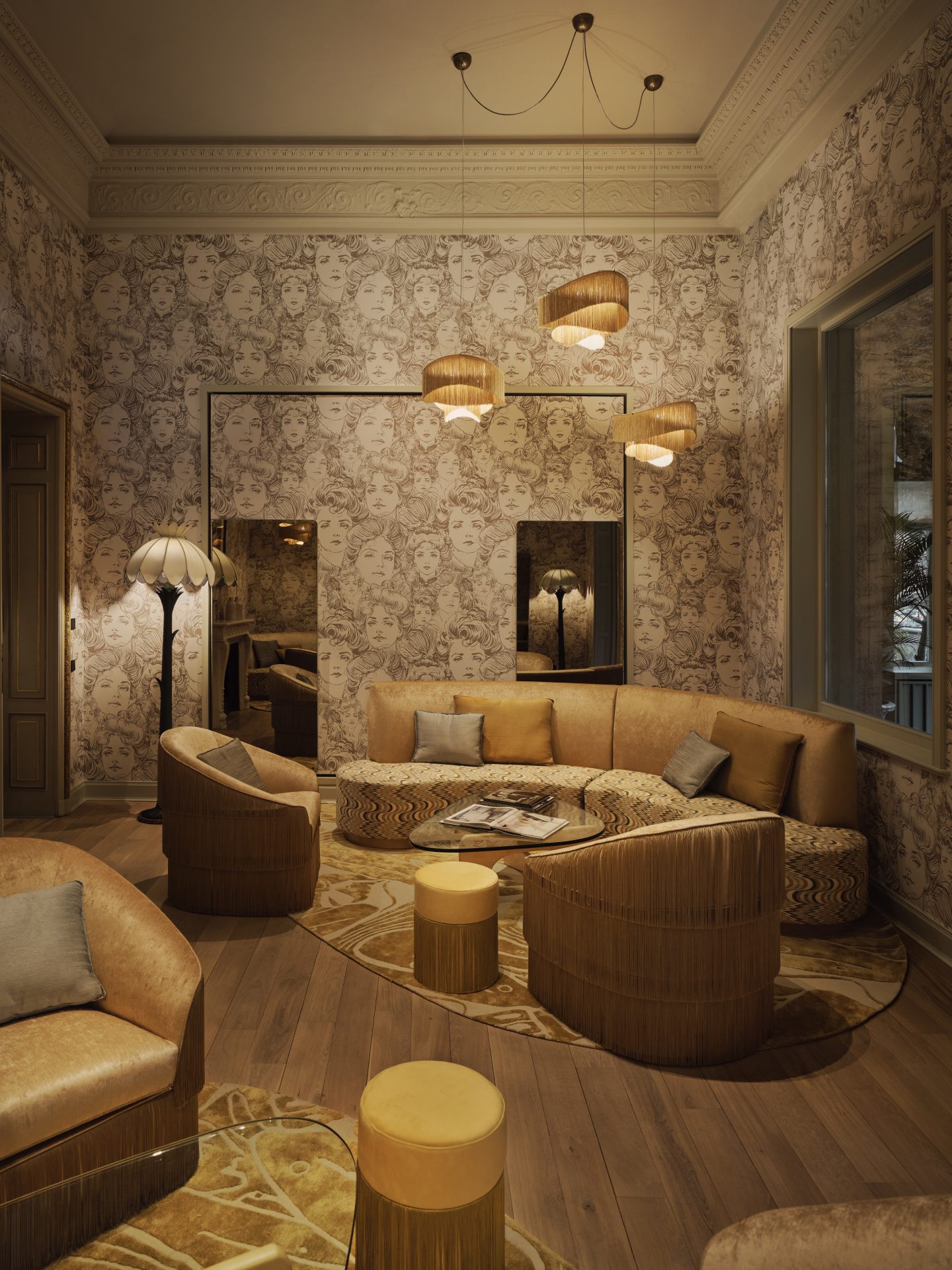
The Damenzimmer is defined by two clusters of pendant luminaires, complemented by surface-mounted spotlights providing direct light where required. Decorative floor-standing luminaires add character and complete the layered lighting composition.

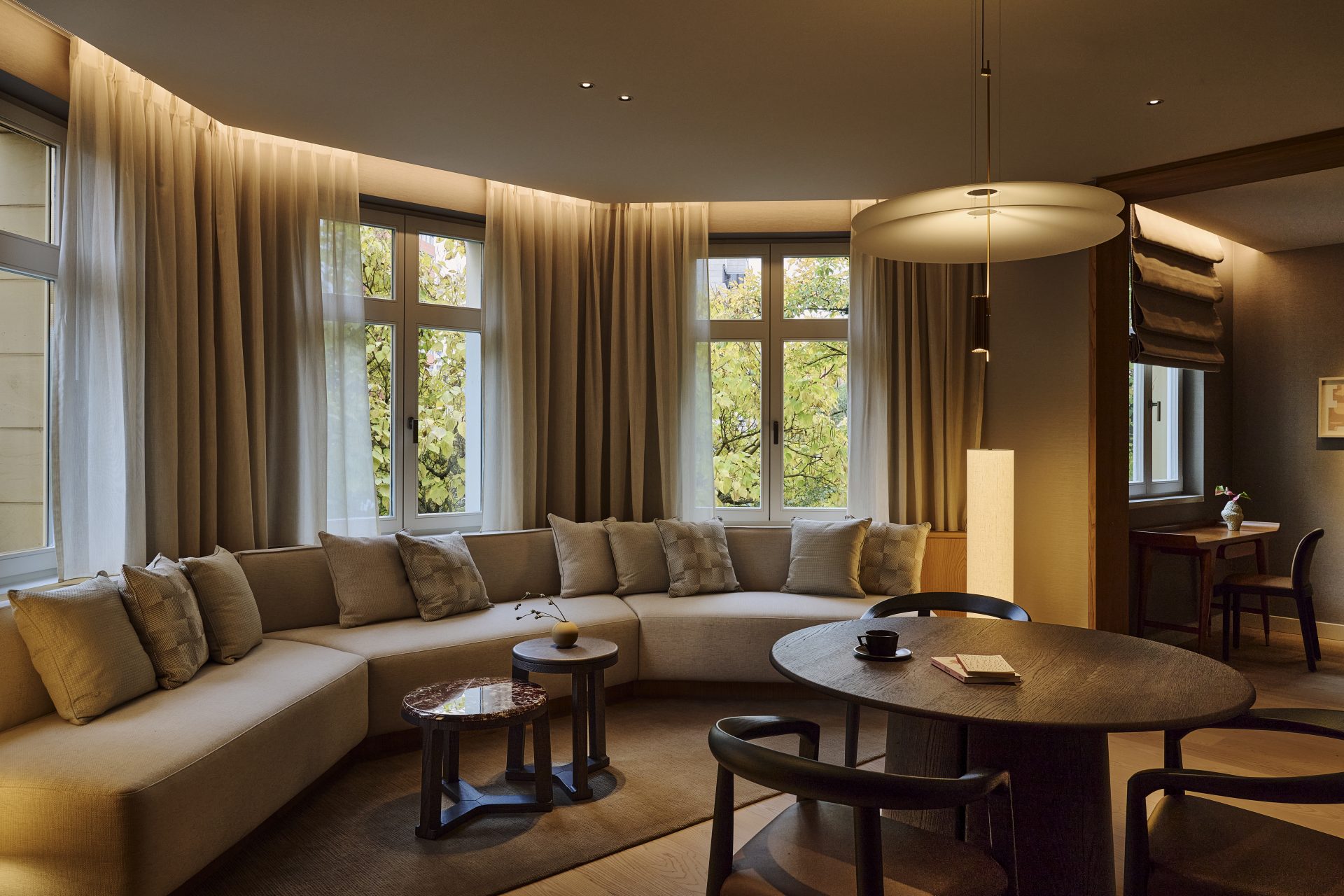
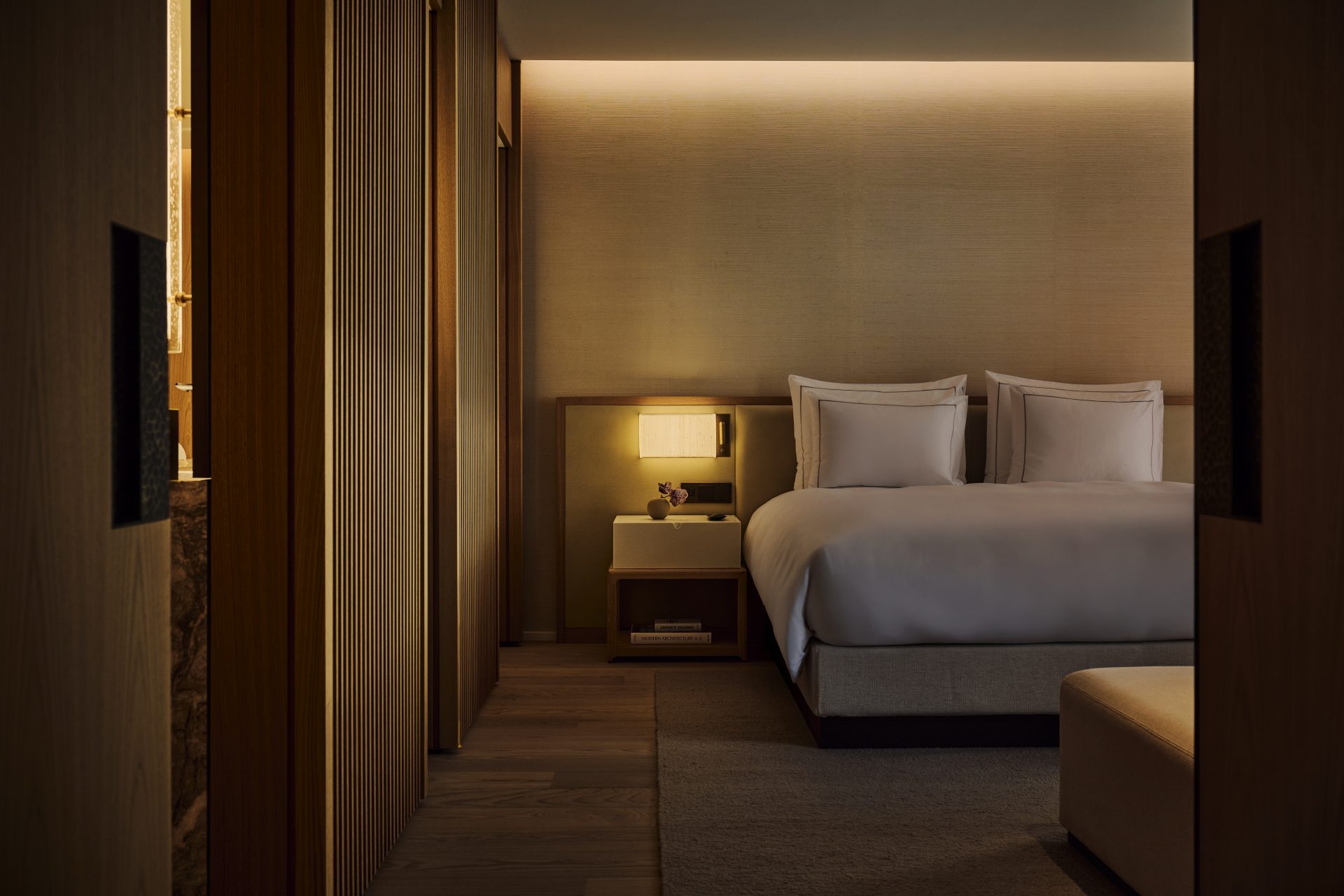
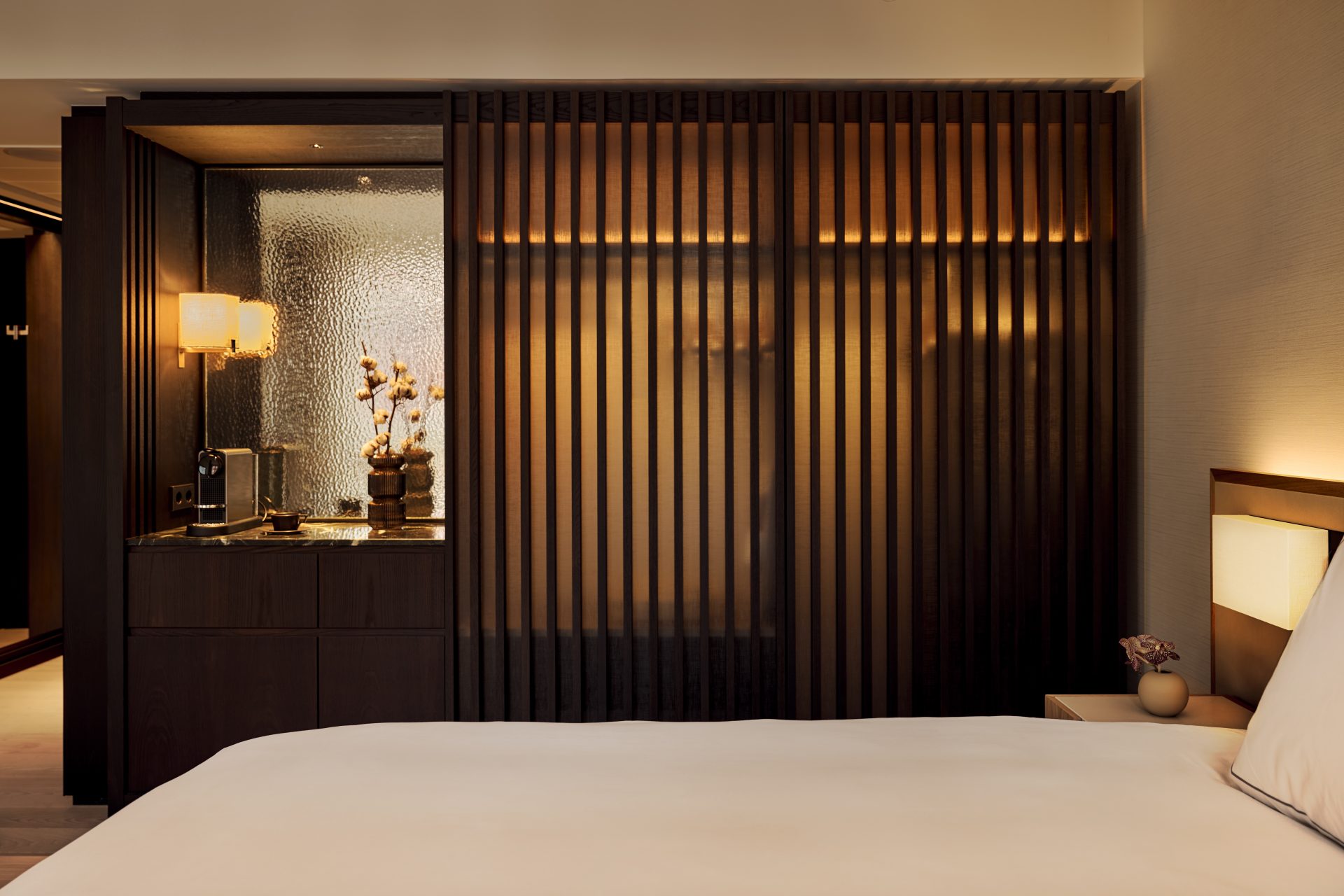
The guest rooms in the main hotel building are divided into three different room types, always conceived as calm spaces of retreat. Indirect lighting through coves and furniture-integrated elements establishes an ambient layer. Diffuse light-emitting elements such as table luminaires, floor-standing luminaires and wall sconces integrated into the minibar provide visual comfort, contrasted with directional downlights with controlled light distribution and anti-glare accessories used selectively for tables and accentuation. In the bathrooms, vertical diffuse illumination around the vanity mirrors ensures comfortable face recognition.
The Signature Suites follow the same lighting principles while allowing for greater individuality. Warm color temperatures and the balance of diffuse and directional light remain central, while decorative luminaires are individually selected and tailored to the respective suite themes, becoming part of the interior design narrative. Directional lighting is used sparingly and strategically to support specific functions and accentuation, while the overall lighting composition reinforces intimacy, comfort and a sense of personal identity.